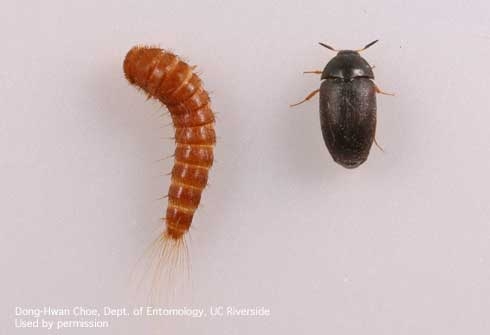
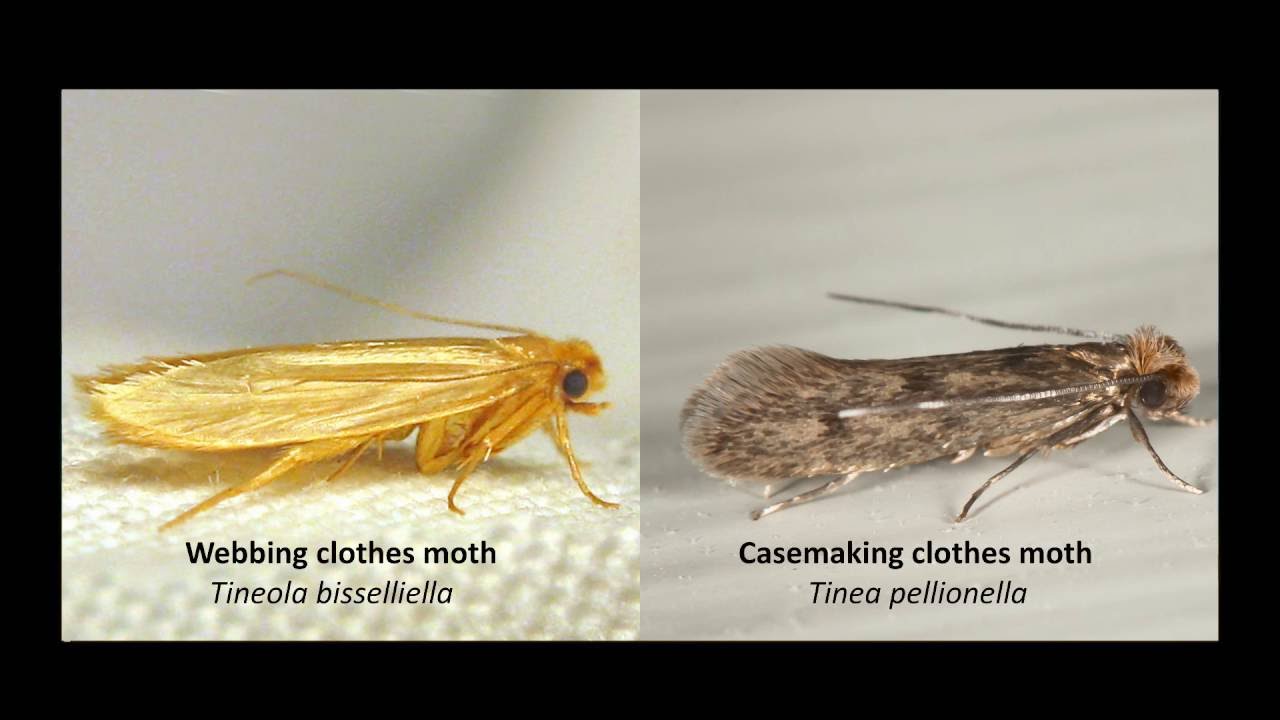
Most likely, you won't see the moths, but you may see the carpet beetle larva, and by that time it is too late .
All these pests munch on protein. Hair, whether it's yours or your dog, cat, hamster or camel hair coat, they love it! They also dig dander, dog food, piano felts, wool carpets and feather pillows. They are attracted to perspiration and food left on garments. The carpet beetle larvae has a more varied diet of almost any type of animal product such as leather, wool, silk, feathers, hair, dried meat, dead insects, and even dried plant material.
Silverfish consume book bindings, carpet, clothing, coffee, dandruff, glue, hair, paper, photos, plaster, and sugar. They will damage wallpaper in order to consume the paste. Other substances they may eat include cotton, linen and silk.
What to do?
Reduce the risk-
You know those gorgeous, warm spring days and warm breezy nights when you open all the windows? Make sure your window screens are in. And those nights that you pop out on the deck to use the grill? That's when the moths can come in. They can also come in with your new Goodwill find, or new store purchase. Make sure these are cleaned before you put them in your closet.
Another option is to put the item in a ziplock bag, roll out the air, seal and put it in your freezer for a few days. This may kill some odor causing bacteria as well. Which is a technique used by hipster kids wearing selvedge edge jeans without washing them for a year. Ask me how I know.
Vacuum!!!! Especially under the heavy furniture where it is dark too.
They can live in cracks in the floor and baseboards munching on pet hair.
Don't set up a moth banquet!
A dark corner with wool in a closet which is close to a humid bathroom is setting up a banquet for the moths!
Clothes moths thrive at 75 percent relative humidity, and it's hard for them to survive in less than 20 to 30 percent relative humidity. Air conditioning is helpful.
Anything that you regularly use that is cleaned and gets air and sunshine, most likely won't be a problem.
Cleaning and Storage for the summer
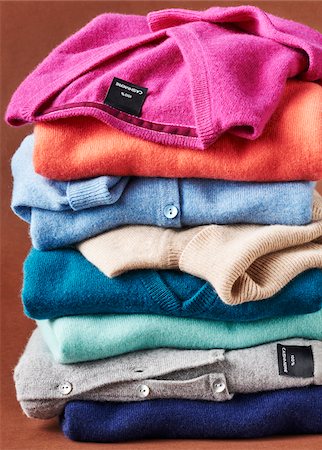
It seems these pests are active all year in the house but the hatching of eggs and development of the hungry larva depend on temperature and humidity levels. In NJ, I begin to clean and store the heaviest clothing which I no longer need in May. The lightest weight cashmere sweaters I use almost all summer but I keep them protected in zip lock bags.
I use those big plastic tubs just for winter storage no longer. Don't smash the clothes in, give them some breathing room and include a moth sachet or a cotton ball with lavender and or mint oil on it. Put the cotton ball in a small plastic food container on the top of the clothes with holes poked in it. You don't want the oil to stain the clothing. Don't use a plastic bag because some oils will eat through the thin plastic.
Clean your woolens and silks before storage and give them one vacation in light and air over the winter. Just open the bin, dump the sweaters on the bed, refold and replace. This prevents any problems from stale odors or moisture that was trapped in the bin and it prevents creasing and wrinkles.
Hand washing sweaters
You will want to dry clean blazers and trousers but many wool sweaters can be safely hand washed.
Just don't use hot water, lots of soap and vigorous agitation or you will felt the sweater into a miniature version of its former self.
Fill a basin in the sink with cold or slightly warm water. Dissolve about a half or one tablespoon of shampoo or detergent per sweater. I use ivory liquid soap because it has no dye and it dissolves easily in water. If you use too much soap you will have to rinse many times to remove it.
Submerge, and swish the sweater around in the basin. Do not lift and dunk, as the weight of the water stretches it. Let it sit 5 to 10 minutes. To rinse, hold the sweater to the side of the basin and spill out the water. refill with clear water, swish and drain. Repeat until the water runs clear without soap bubbles. Lift the sweater in a ball with both hands supporting its weight and gently squeeze out the excess water. Do not twist or wring. Still holding in a ball, transfer it to a towel laying flat. I use the top of my washer. Gently lay the sweater in a long line from neck to hem and roll into a long roll in the towel then squeeze the roll to remove even more water. Now unroll and lay the sweater out on a new dry towel and shape it to lay flat without wrinkles. Adjust each sleeve and part until it is fairly wrinkle free. Do not stretch out the hem or the sleeve ribbing. I use a wire grid laying over my laundry sink to dry sweaters. When the sweater is dry you can fluff it on the air setting in the dryer along with a towel. You may also use low heat if there are wrinkles or use a steam iron to lightly steam it. Don't touch the iron to the surface.
In the winter I have my woolens hanging uncovered in the closet, but come spring with the higher temperatures, open doors and increased humidity, I place all the woolen clothing I am still using in light weight, nylon, side zippered, garment bags. I drop a sachet of lavender oil in the bottom. This way I have my spring sweaters and blazers convenient to use but it is more difficult for the moths and carpet beetles to get to them.
Here are some sources to get you started.
Hangers, Bags, Sachets
During the winter I hang my cardigan sweaters on the really flat hangers with the velvety surface made for sweaters! These save room, prevent the sweaters from falling off the hanger, and prevent those stretched out shoulder bumps too. The pullovers go on the shelf.
hangers with flocked surface. For storage, fold all your sweaters in a plastic bin.
These garment bags with a side zipper and are not easy to find! This allows access to anything inside, without needing to take the bag off or unload the garments in the front. Don't buy a garment bag that has a center front zipper!
Buy the long ones and you will always have room for a dress or coat sweater or wool pants.
moth sachets You can keep them for a very long time by refreshing them with lavender and mint oil found at Whole Foods. You can also slip a sachet under your wool carpets.
Why not use moth balls? Because they kill moths and you too! They are really toxic. Besides who wants to smell like your great grandmother's attic?